
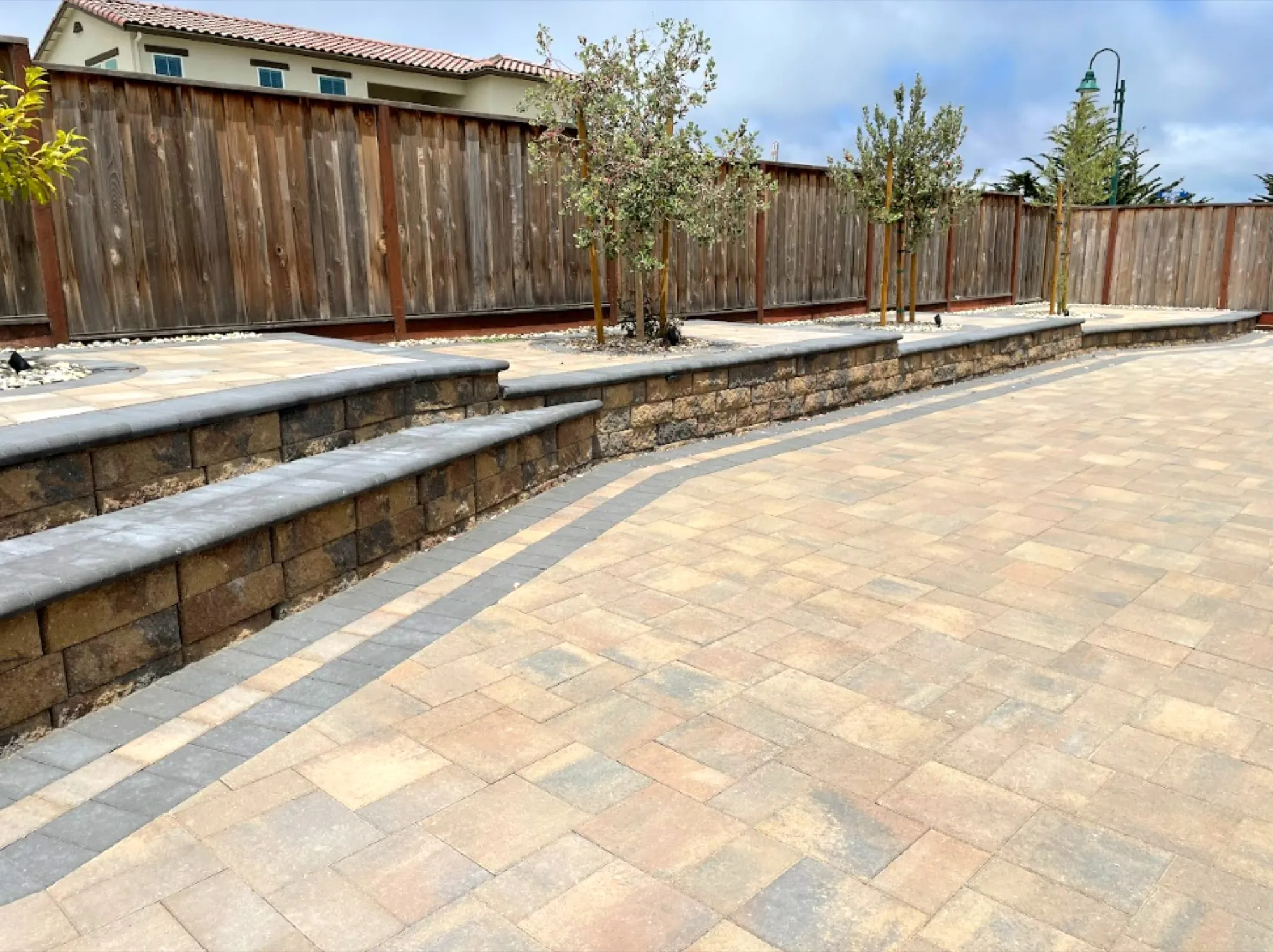
Patio pavers
Custom patios built for comfort, style and durability.
CSLB Lic. B #1125188 · Licensed, bonded & insured
Serving Los Angeles & Orange County
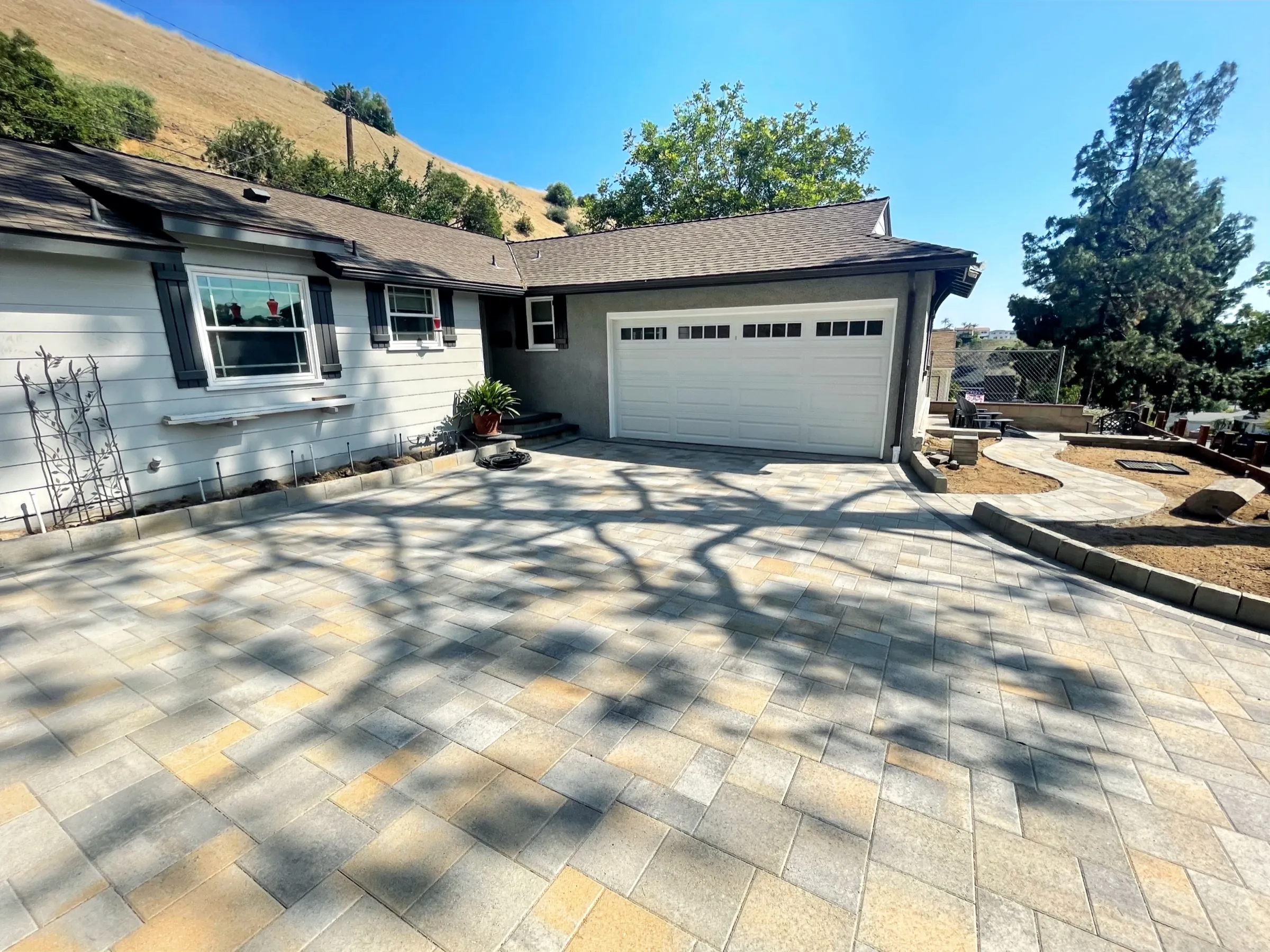
Paver patios, driveways, walkways and decks built for outdoor living, with drainage done right underneath.
5.0
Google reviews
5.0
Thumbtack reviews
Outdoor services
A solid base, proper slope and tight joints, so it looks great for years.
Custom patios built for comfort, style and durability.
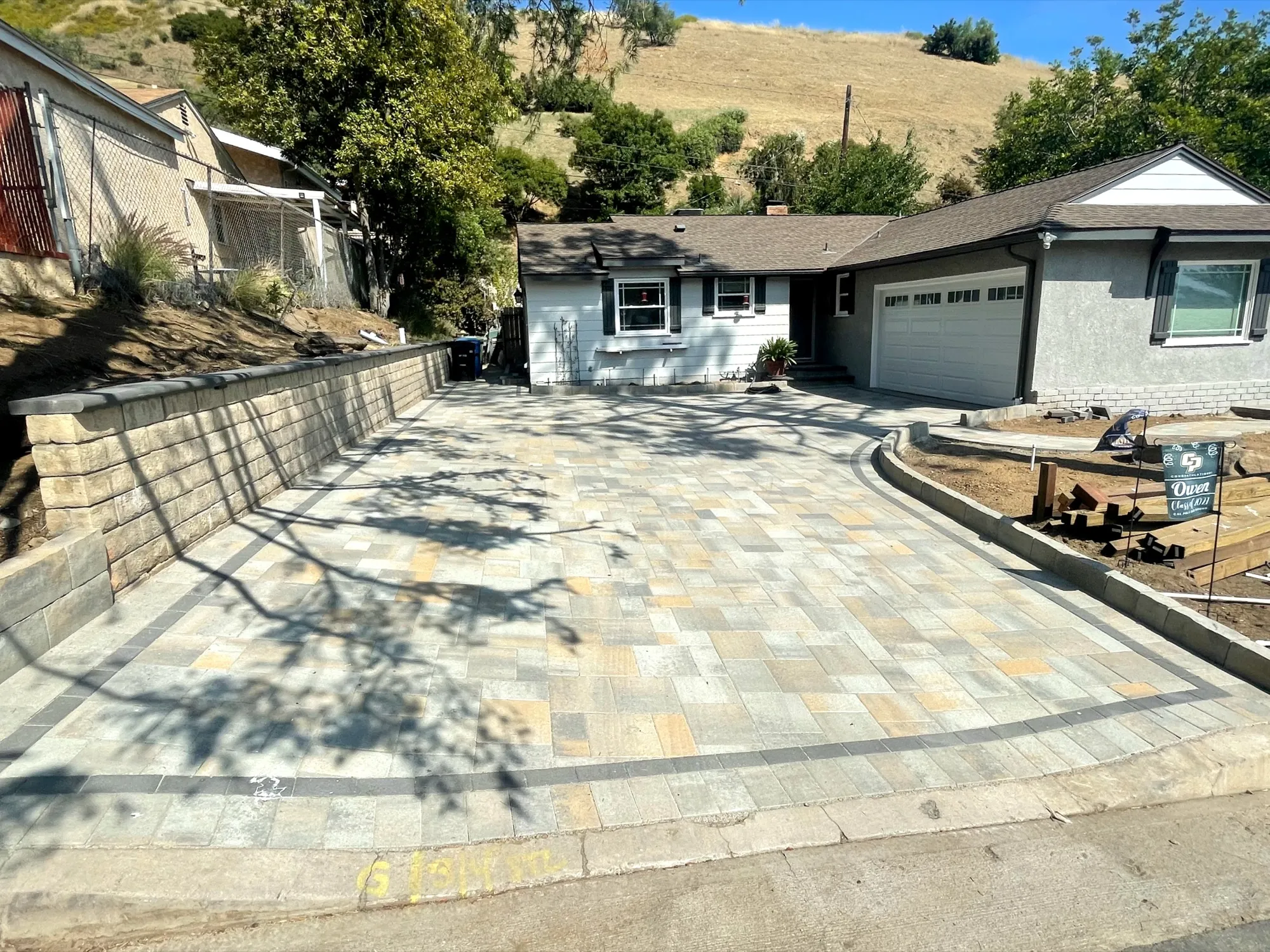
Strong driveways that boost curb appeal and handle daily use.
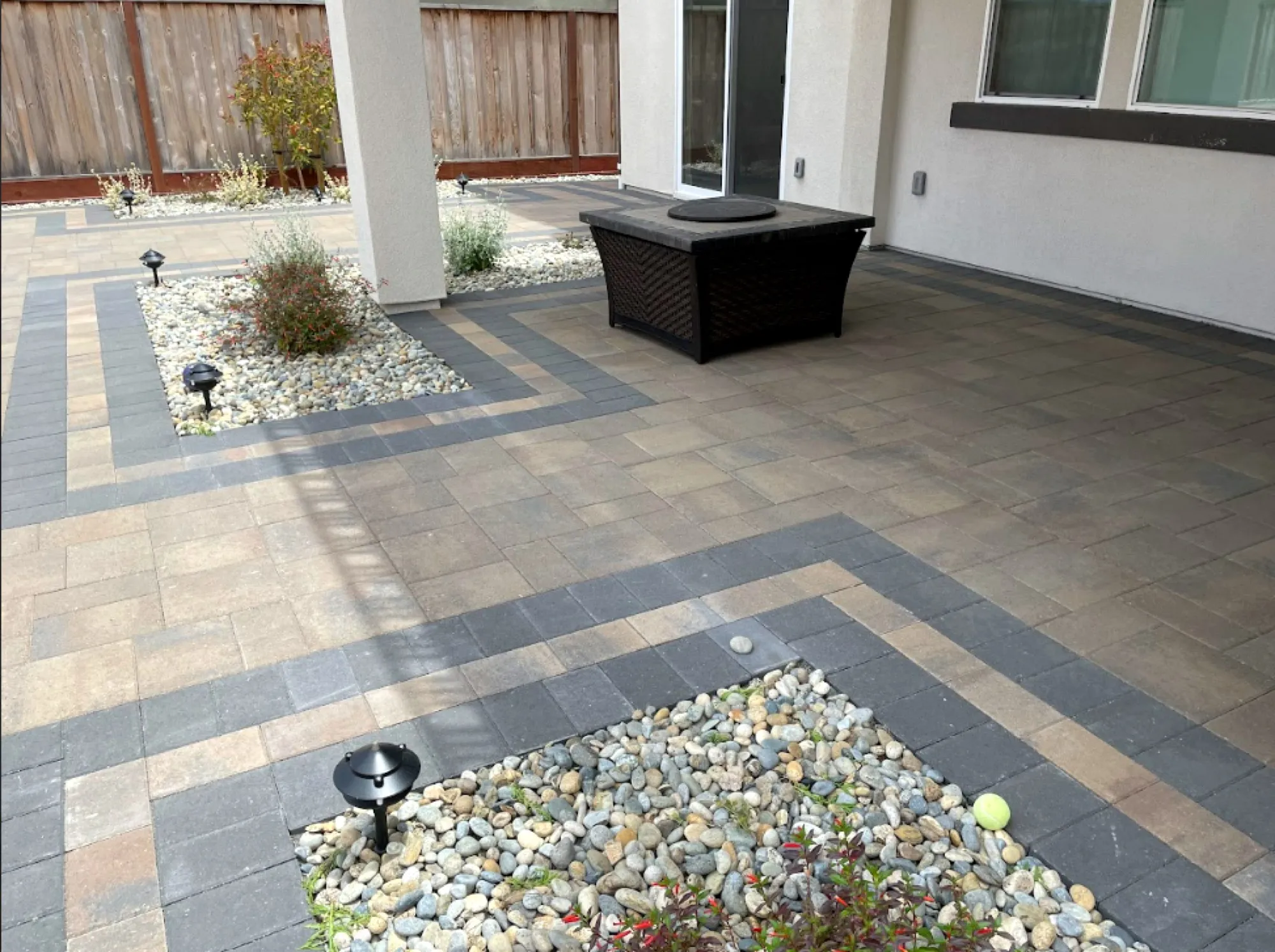
Retaining walls, steps and built-in lights that finish the space.
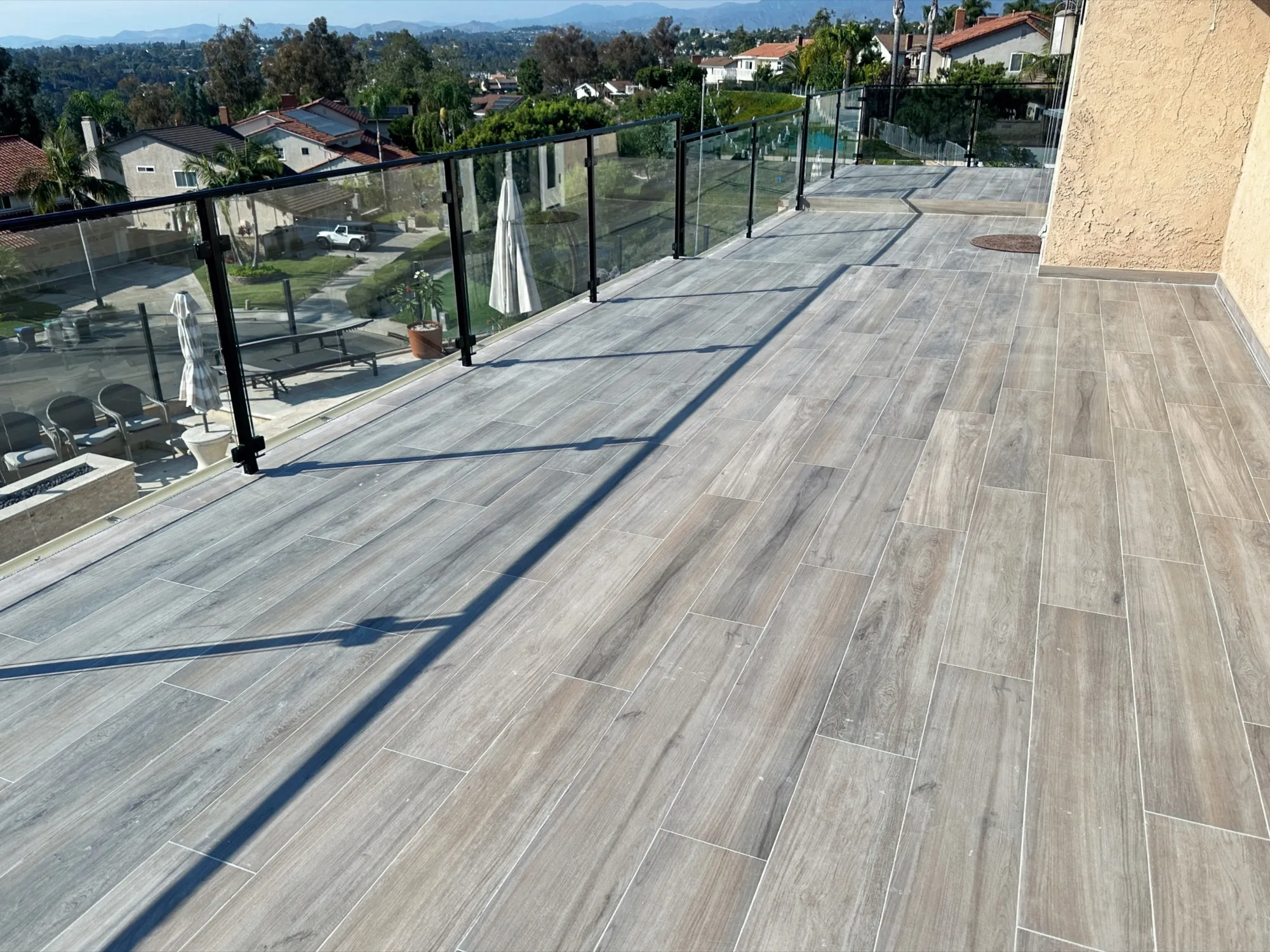
New decking, tile and railings with proper waterproofing.
How it works
Most patios and walkways take 2–5 days. Driveways take about a week. Permits, if needed, come first.
We measure the area, check slopes and where water goes now, and look for tree roots, utilities and access for equipment.
A layout with your pattern, colors and borders, plus steps, walls, lighting or a BBQ area if you want them.
One price with the base, drainage and cleanup included. Driveways and retaining walls may need a city permit, which we pull.
We dig out the old surface and soil to the right depth: deeper for driveways than for patios.
Crushed rock laid in layers and compacted with a plate compactor. This is the part that decides whether pavers stay flat.
A sand setting bed, then the pavers in your pattern, cut cleanly at the edges and locked in with a concrete edge restraint.
Polymeric sand is swept into the joints and the surface is compacted again so everything locks together.
Debris hauled away, surface washed, and a walkthrough on care and sealing.
What's underneath
Sinking, rutting and wobbly pavers almost always come from a thin or poorly compacted base, not from the pavers themselves. Here's what goes under every job.
About 7–9 inches for patios and walkways and 10–12 inches for driveways, so the base can carry the load.
Crushed rock in 2–3 inch lifts, each compacted. Skipping this is why cheap installs sink and rut.
A gentle fall away from the house (about 1/4 inch per foot) so water never runs toward your foundation.
A buried concrete or plastic edge keeps the outer pavers from creeping outward over time.
Pavers or concrete?
| Pavers | Poured concrete | |
|---|---|---|
| Repairs | Lift and replace a few pavers, no visible patch | Cracks are cut out and patched; patches show |
| Cracking | Joints flex with ground movement and roots | Slabs crack as soil shifts, often within years |
| Look | Many colors, textures, patterns and borders | Plain gray, or stamped/colored at extra cost |
| Use right away | Walk and drive on it as soon as it’s done | Wait about 7 days before driving on it |
| Upfront cost | Higher | Lower |
| Long-term value | Lasts decades with simple care; adds curb appeal | Cheaper now, but cracks and repairs add up |
Where pavers go
Many projects combine two or three of these into one plan.
A level, comfortable space for furniture, dining or a fire pit, sized to how many people you host.
Thicker pavers on a deeper base that handle cars and trucks without cracking.
A clear path to the front door or backyard, with steps built to code for a safe rise and run.
Textured, cooler-to-the-touch pavers around the pool, with drains so water doesn’t pool.
Walls that hold back soil on sloped yards or double as built-in seating.
Gas, water and electric lines run before the pavers go down, so nothing gets torn up later.
Cost
After the install
Regular sweeping and an occasional rinse keep joints clean.
Every few years, add polymeric sand where joints have washed out.
A sealer every 3–5 years deepens color and resists stains. Not required.
Clean oil or grease right away. A stained paver can simply be replaced.
Projects
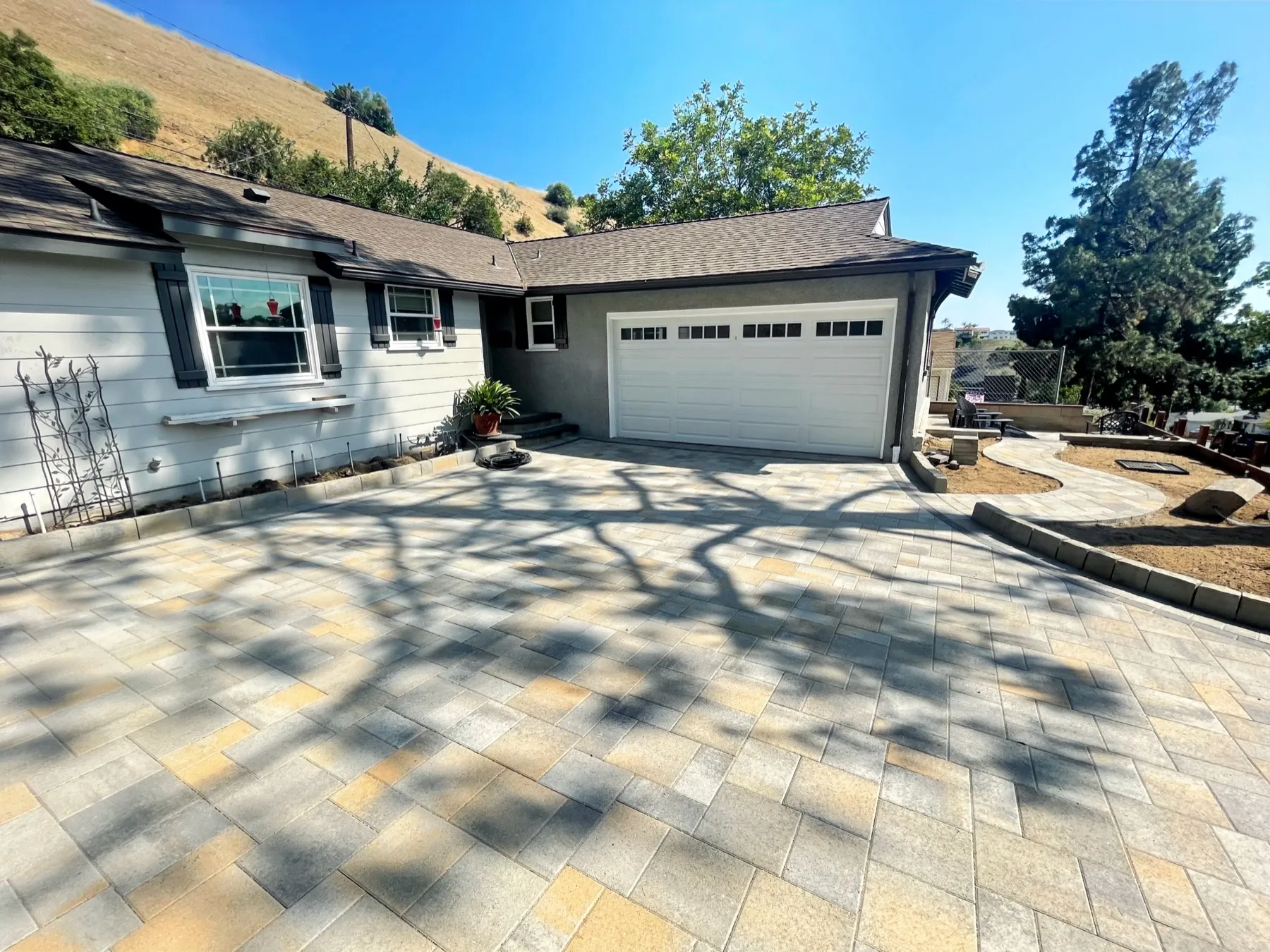
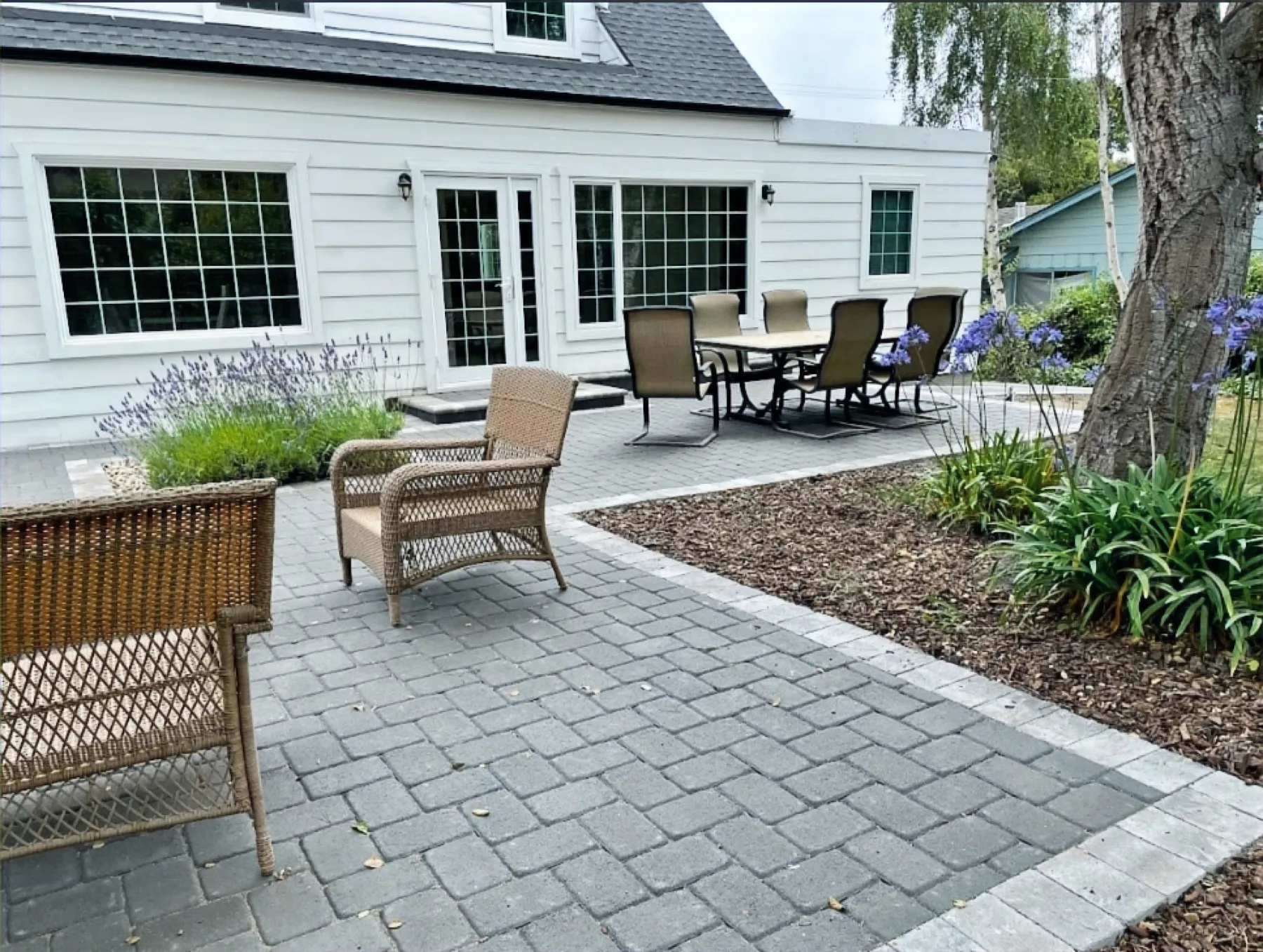
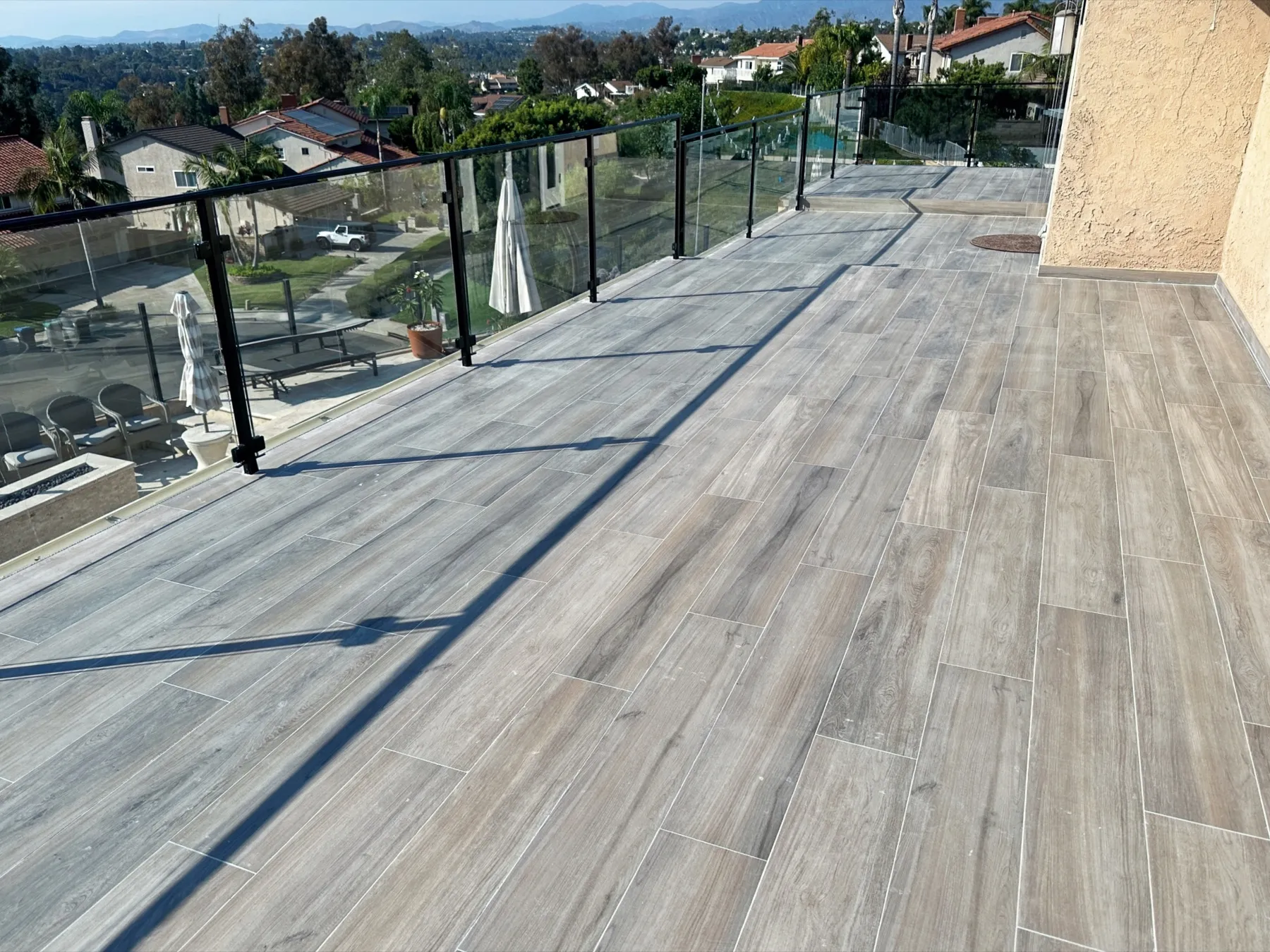
The crew replaced our driveway and patio on the exact timeline they laid out and kept me updated with quick texts and photos. The pavers are straight, joints tight.
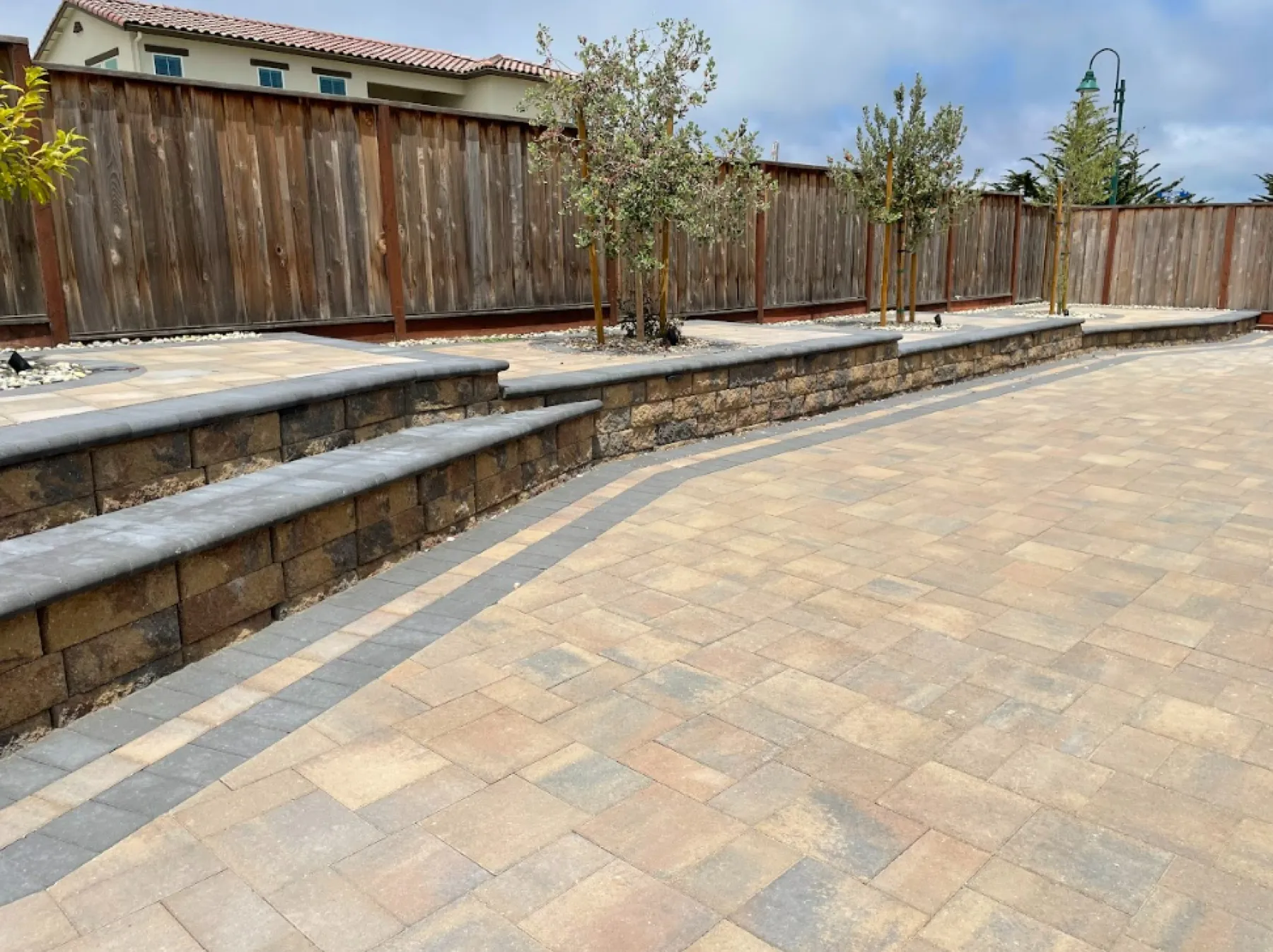
They tore everything out, put in new pavers, added a clean retaining wall with built-in lighting, and regraded the yard to stop the water from pooling.
Working with them was seamless and thorough. The team was quick and efficient, and responsive, communicative and transparent with us every step of the way.
Questions
Pavers cost more up front but look better, handle ground movement and are easy to repair one section at a time. Concrete is cheaper but tends to crack. We compare both for your yard.
Most patios and walkways take 2–5 days. A driveway usually takes about a week, including removing the old concrete. You can use the surface as soon as we finish.
Not when the base is deep and compacted properly and an edge restraint holds the field in place. That is where most of our time on a job goes.
Polymeric joint sand hardens and resists weeds and ants. Topping it up every few years keeps joints tight.
Patios usually do not. Driveway changes, curb cuts and retaining walls over a certain height often do. We check with your city and pull any permit needed.
Yes. We grade the base so water drains away from your home, and we can regrade the yard, add drains or use permeable pavers where water pools.
Yes. We plan utility lines for outdoor kitchens and BBQ islands before the pavers go down.
Guides
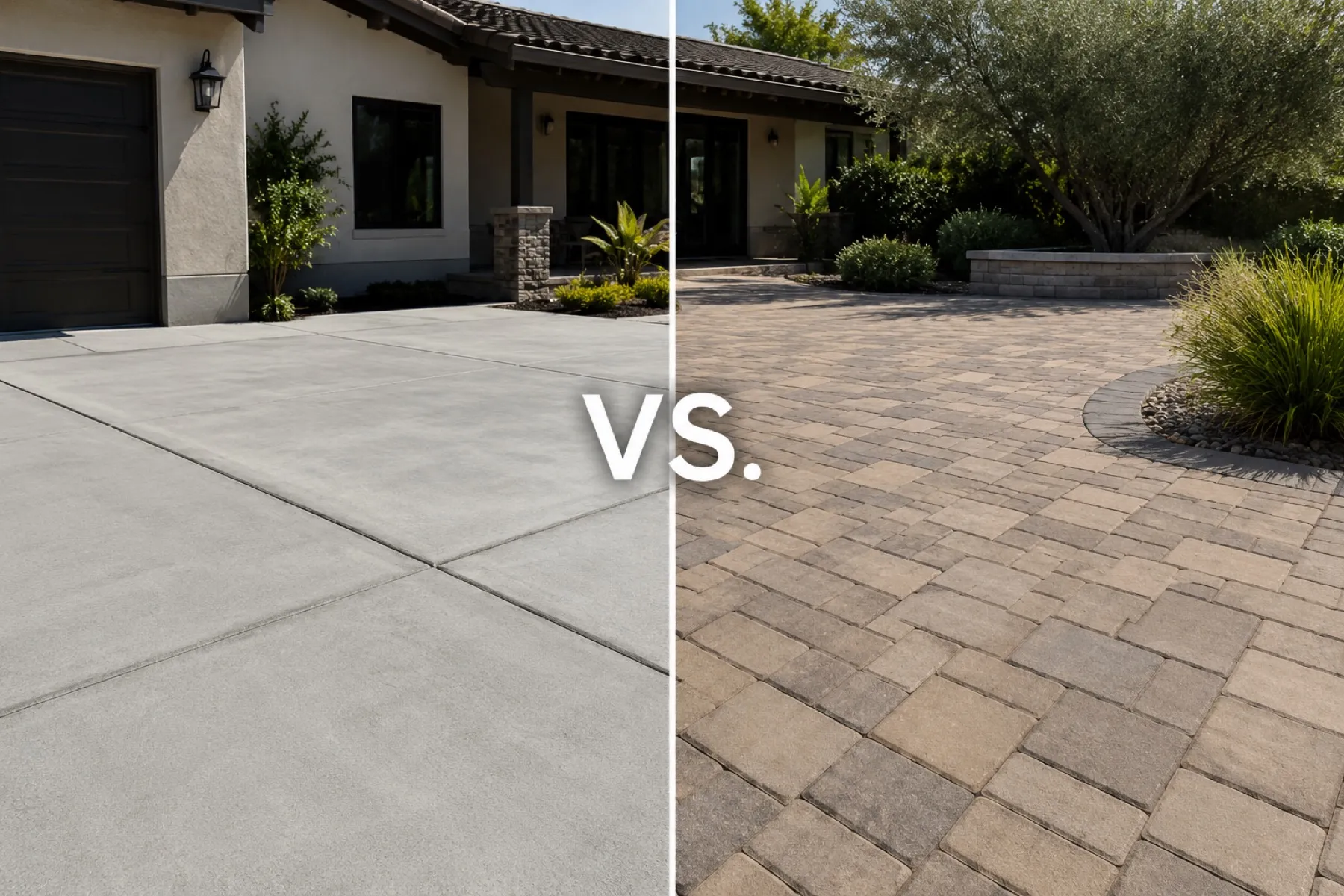
Outdoor · Oct 2026
Pavers or concrete for your Sherman Oaks driveway, patio or walkway? Compare looks, cracking, repairs, cost, drainage and value, plus wha…
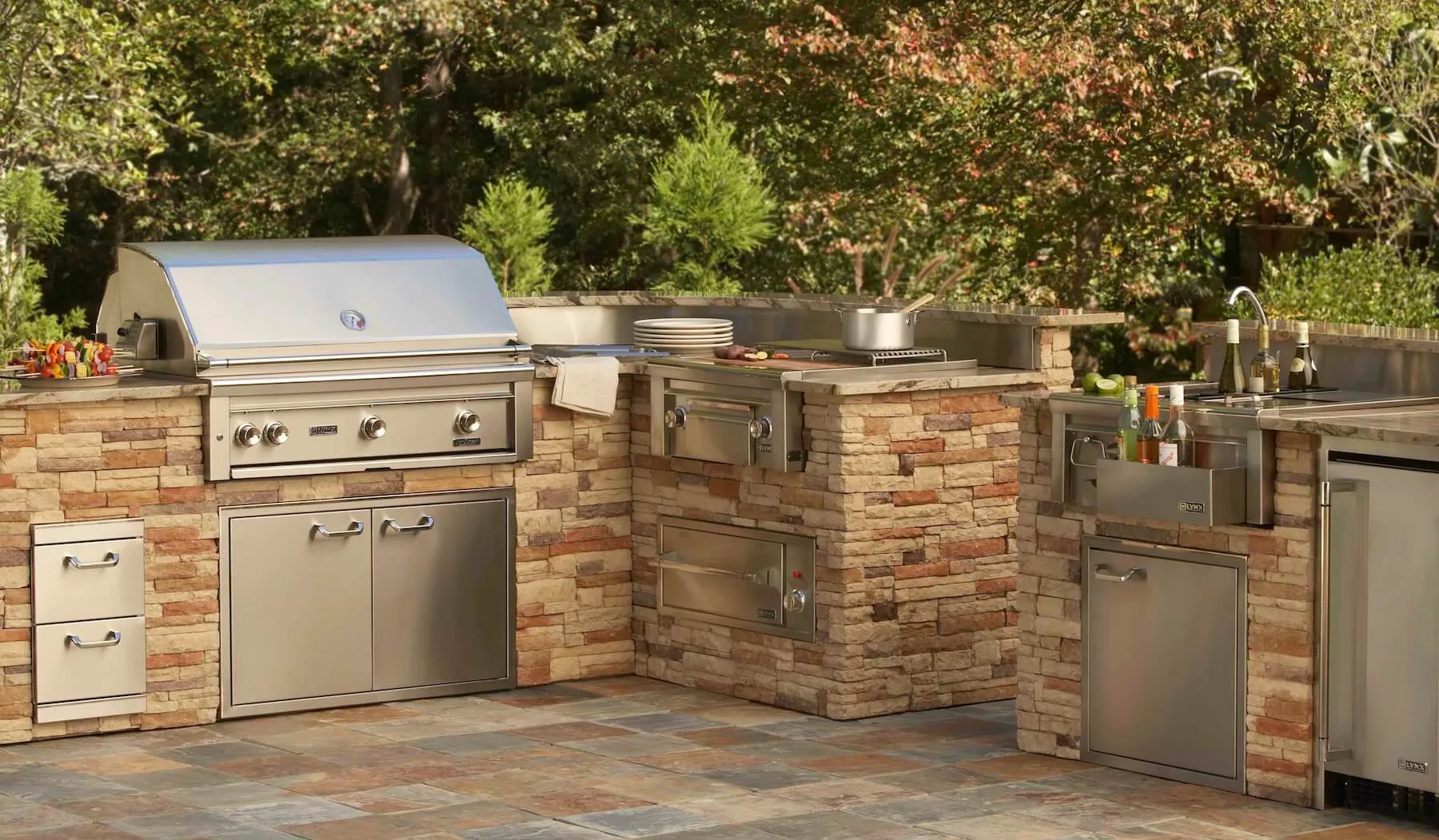
Outdoor · Nov 2025
The five features every BBQ island needs: a built-in grill, enough counter space, weatherproof storage, outdoor refrigeration and bar sea…
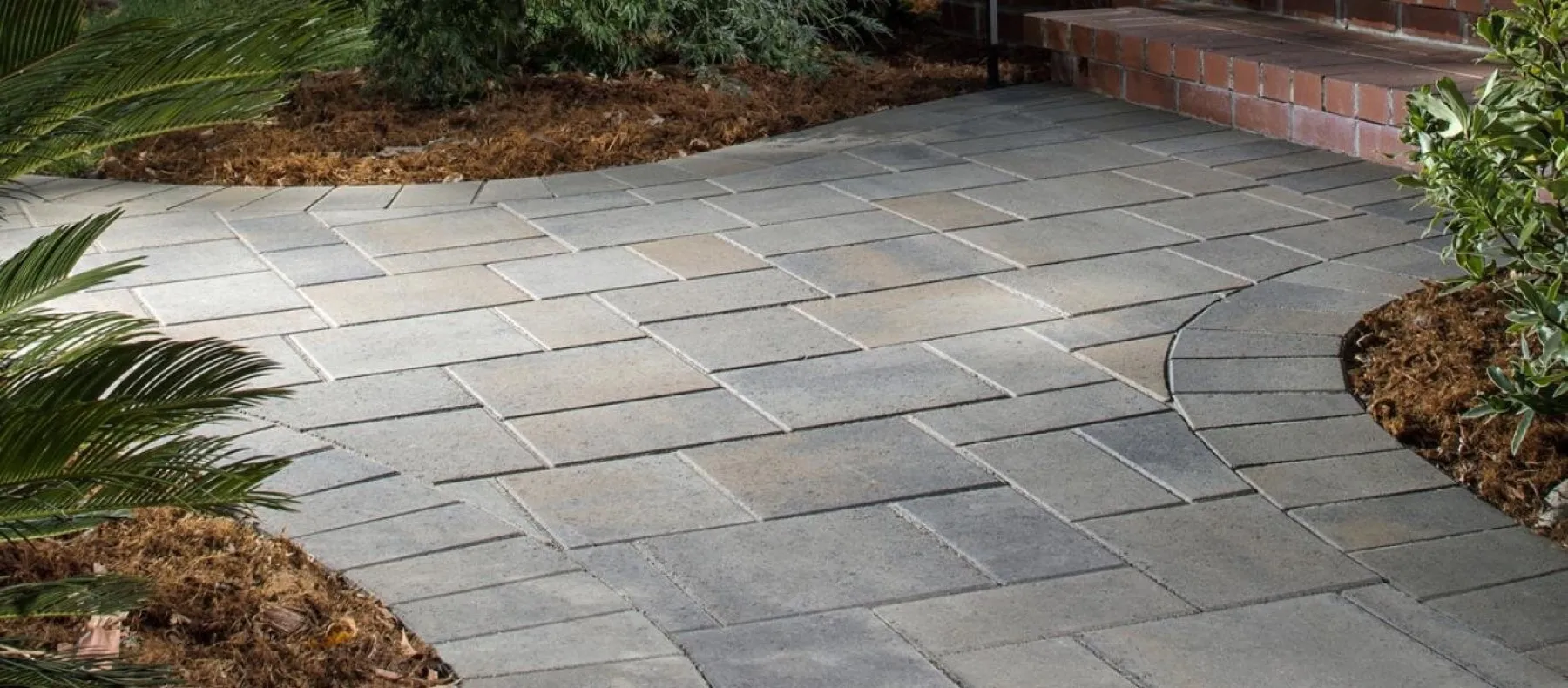
Outdoor · Nov 2025
Why homeowners choose Belgard pavers for patios, driveways and walkways: design range, durability, low maintenance, permeable options and…
Tell us about the project. We'll call to set up a time to come out.
Or call (949) 337-5311 · [email protected]