Blog Bathrooms
Signs It's Time to Remodel Your Bathroom
Some bathroom problems are cosmetic. Others mean water is getting where it shouldn't. Here's how to tell the difference, and when a repair is no longer enough.
Key takeaways
- Urgent signs: soft or spongy floors, loose tile in the shower, stains on the ceiling below, and mold that returns after cleaning.
- Planning signs: outdated fixtures, poor storage, bad lighting and a layout that doesn't fit your life.
- Repair vs. remodel: if water is behind the tile, patching the surface won't fix it.
- Older homes: bathrooms from before the 1990s often hide old pipes, no waterproofing and no exhaust fan.
Bathrooms take more wear than almost any other room. Water, steam and daily use slowly break down grout, caulk, waterproofing and fixtures. Some signs are just cosmetic. Others mean water is getting into the structure of your house.
Here’s how to tell when it’s time to stop patching and start planning a remodel.
Urgent signs: water where it shouldn’t be
These are the problems worth acting on soon, because they get more expensive the longer they go.
1. Soft or spongy floors
If the floor near the toilet, tub or shower feels soft, flexes or has lifted vinyl, water has likely reached the subfloor. Left alone, this can rot the framing underneath.
2. Loose, cracked or hollow-sounding tile
Tile that moves or sounds hollow when you tap it often means the waterproofing behind it has failed. Re-grouting the surface won’t stop water that’s already behind the wall.
3. Stains on the ceiling or wall nearby
A brown stain on the ceiling below an upstairs bathroom, or bubbling paint on the wall outside the shower, is a classic sign of a leak.
4. Mold that keeps coming back
Some mildew on grout is normal in a steamy room. Mold that returns days after cleaning, or a musty smell you can’t get rid of, often points to moisture inside the walls or a missing exhaust fan.
Planning signs: the room no longer works
These aren’t emergencies, but they’re good reasons to plan a remodel.
5. Outdated style and fixtures
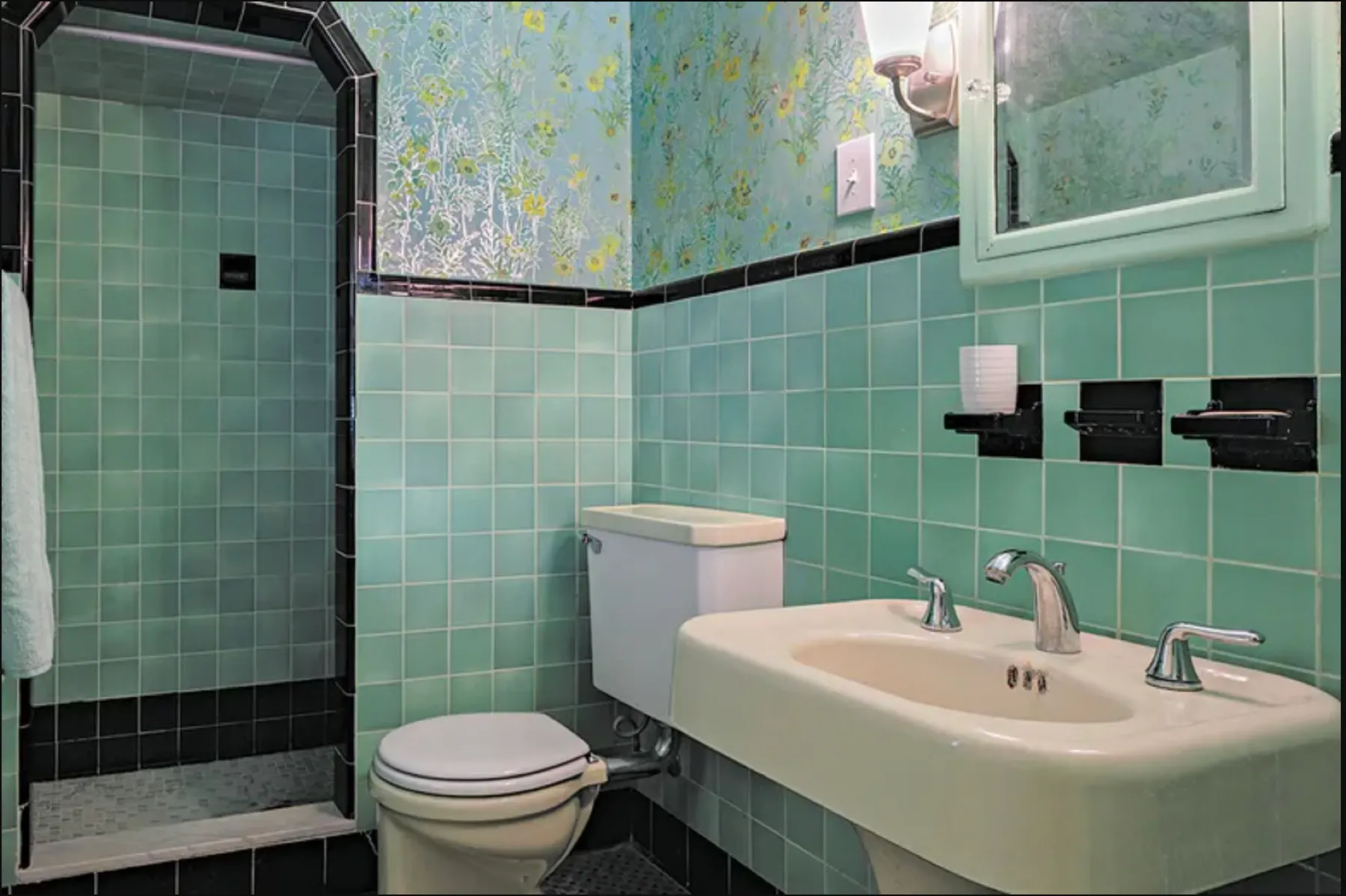
Colored tile, brass fixtures, builder-grade cabinets and tiny mirrors date a home quickly, especially if you plan to sell.
6. Poor layout and storage
No place to put things, a door that hits the toilet, a cramped shower, or one sink for two people every morning. A remodel can rethink the layout, add a double vanity or recessed storage, and make the room easier to use.
7. Bad lighting and ventilation
One overhead light and no fan make a bathroom dark, steamy and prone to mildew. Layered lighting and a properly vented fan change how the room feels and lasts.
8. Constant small repairs
Dripping faucets, running toilets, clogged drains and cracked grout every few months add up. When repairs become routine, the fixtures and plumbing are usually at the end of their life.
9. High water use
Older toilets can use several gallons per flush, far more than today’s fixtures. Modern California-compliant toilets, faucets and showerheads use much less water.
10. Your needs have changed
A growing family, kids who need their own bathroom, or a parent moving in may call for a different setup: a tub for small children, or a curbless shower, grab bars and a bench for aging in place.
Repair or remodel? A quick guide
| What you see | Usually means | Typical fix |
|---|---|---|
| Stained or cracked grout, solid tile | Surface wear | Regrout and re-caulk |
| Loose or hollow tile in the shower | Failed waterproofing | Rebuild the shower |
| Soft floor near toilet or tub | Water in the subfloor | Open up, repair, rebuild |
| Mildew on ceiling, no fan | Poor ventilation | Add a vented exhaust fan |
| Ceiling stain below the bathroom | Active leak | Find and fix the leak, then repair |
| Dated look, everything works | Style | Refresh or full remodel |
What older bathrooms often hide
If your bathroom is original to a home built before the 1990s, a remodel often uncovers:
- Galvanized or cast-iron pipes that corrode and restrict flow
- Tile set directly on drywall or with no real waterproofing
- No exhaust fan, or a fan that vents into the attic
- Outlets without GFCI protection
- Subfloor damage around the toilet
Plan a 10–15% contingency for these surprises, and choose a contractor who includes them in the conversation up front.
What to do next
- Note what you see: take photos of stains, loose tile and soft spots.
- Decide what bothers you most: function, looks, or both.
- Set a budget range: see our 2026 bathroom remodel cost guide.
- Look for ideas: browse bathroom projects and read the biggest remodeling mistakes to avoid.
- Get it inspected: a contractor can tell you whether you need a repair or a full rebuild.
Our bathroom remodeling page explains the whole process from layout to final inspection.